

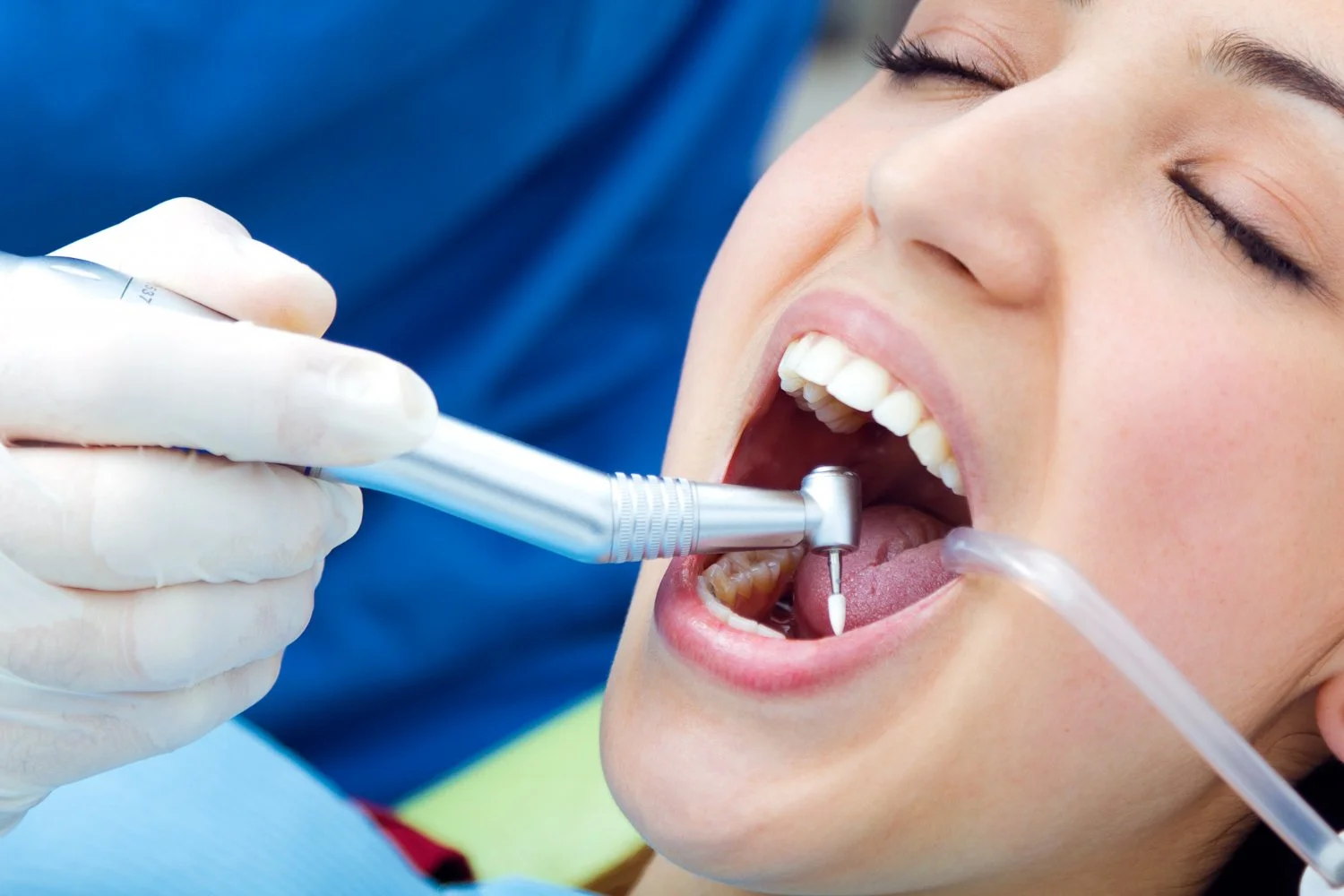
Tooth decay is one of the most common oral health issues in Australia. Whether it’s picked up during a routine scale and clean or revealed by sudden sensitivity when drinking cold water, treating a cavity early prevents minor decay from turning into severe toothache or requiring root canal therapy.
If you're booked in for care or exploring your options at Noosa Dental, understanding the procedure and the restoration materials available helps you make informed choices for your smile.
Here is a clear guide to what happens during a dental filling procedure, the best restoration materials used across Australia, and how to select the right fit for your decayed tooth.
1. What to Expect During a Dental Filling Procedure
Modern restorative care is focused on gentle techniques, complete comfort, and preserving natural tooth structure. The entire procedure typically takes between 30 and 60 minutes per tooth.
1. Numbing & Isolation: Ensuring a pain-free visit.
A topical numbing gel is applied to the gum before a local anaesthetic is administered to ensure you feel no pain. The dentist then isolates the tooth using cotton rolls or a rubber dam to keep the working area clean and dry.
2. Clearing the Decay: Precision removal of bacteria.
Using precise dental instruments, the decayed portion of the tooth is carefully removed. The cavity is thoroughly cleaned and disinfected to ensure no residual bacteria remain beneath the restoration.
3. Placing the Restoration: Layering and curing the material.
For tooth-coloured composite resin, a mild etching gel and bonding agent are applied. The resin is placed in thin layers and cured instantly with a special blue LED light.
4. Shaping & Polishing: Ensuring a natural bite.
The dentist shapes the filling to match the natural contours and grooves of your tooth. Your bite is checked with articulating paper, high spots are adjusted, and the surface is polished smooth against your tongue.
2. Dental Restoration Materials Available in Australia
Dental technology has advanced significantly. While amalgam (silver) fillings were standard in previous decades, modern dentistry prioritises biocompatible, tooth-coloured materials.
| Restoration Material | Best Used For | Key Advantages | Typical Lifespan |
|---|---|---|---|
| Composite Resin (White Fillings) | Front teeth & visible molars | Matches natural tooth shade; bonds directly to preserve enamel | 5 – 10 years |
| Glass Ionomer Cement (GIC) | Cervical (gumline) decay & children's teeth | Releases fluoride to prevent recurrent decay; gentle on nerves | 3 – 5 years |
| Porcelain / Ceramic (Inlays & Onlays) | Large cavities on back molars | Superior strength, stain resistance, and premium natural aesthetics | 10 – 15+ years |
| Dental Amalgam (Silver) | Structural back molars (less common today) | High mechanical strength under heavy chewing pressure | 10 – 15+ years |
3. How to Choose the Right Filling for Your Tooth
No single material is right for every situation. When choosing the best option at our Noosa clinic, we consider four main factors:
Location of the Cavity: For front teeth or high-visibility areas, composite resin is the gold standard for an invisible finish.
Size of the Decay: Small to medium cavities are easily restored with composite resin. If decay has compromised more than half of a back molar, custom porcelain inlays or onlays offer better structural integrity to prevent tooth fractures.
Bite Force & Chewing Pressure: Back molars endure significant pressure. High-strength composites or ceramic restorations ensure long-term durability under daily chewing.
Budget & Longevity: Direct composite fillings are cost-effective and completed in a single visit, whereas lab-crafted ceramic restorations represent a higher initial investment with longer durability.
Restore Your Tooth Comfortably in Noosa
Addressing decay early keeps treatment simple, quick, and affordable. At Noosa Dental, our team uses modern diagnostic technology and shade-matched materials to restore teeth gently and naturally.
Noticed tooth sensitivity or due for a routine check-up? Contact our friendly team in Noosa today to schedule your consultation.