

Do You Really Need a Root Canal? Symptoms and Modern Insights for Noosa Patients
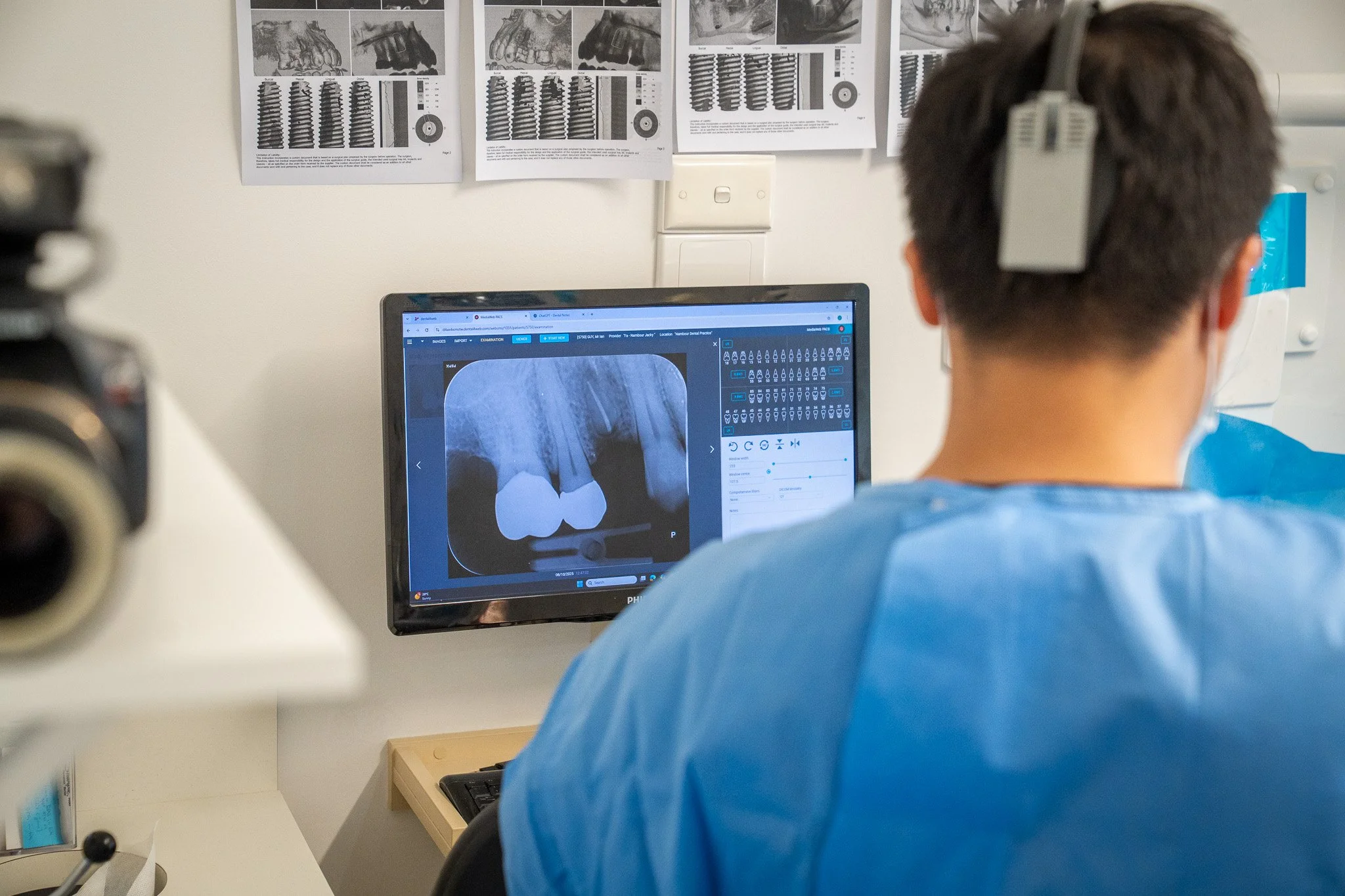
Few dental terms evoke as much anxiety as "root canal." For decades, standard pop culture has portrayed the treatment as painful and invasive. However, modern endodontic care paints a completely different picture.
At Noosa Dental, a root canal isn't something to fear; it's an exceptionally routine, highly successful procedure designed to eliminate pain and save your natural tooth from extraction.
Here is an honest guide on why root canals are needed, the warning signs to look out for, and what to expect from modern, gentle treatment on the Sunshine Coast.
What Is a Root Canal, and Why Do You Need One?
Deep inside each tooth, beneath the hard white enamel and inner dentin layer, lies a soft tissue area called the pulp. This pulp contains blood vessels, nerves, and connective tissue that help the tooth grow during development.
When bacteria reach this inner chamber—whether from deep decay, repeated dental procedures, a crack in the tooth, or a physical injury—the pulp becomes inflamed or infected. Left untreated, infected pulp causes severe pain, forms abscesses, and eventually leads to tooth loss.
A root canal treatment (endodontic therapy) removes the infected nerve tissue, cleans and disinfects the interior channels of the tooth, and seals it to prevent reinfection.
5 Warning Signs You Might Need a Root Canal
Not all toothaches require endodontic treatment, but specific symptoms strongly indicate that the inner pulp has been compromised:
Persistent, Throbbing Pain: A deep, lingering ache in your tooth or jaw that doesn't go away, often worsening when lying down or biting down.
Extreme Sensitivity to Hot and Cold: Pain or lingering discomfort when drinking warm tea or eating ice cream, even long after the temperature source is removed.
Swollen, Tender Gums or a 'Pimple' on the Gumline: An abscess can form a small bump on the gums (a gum boil) near the painful tooth, sometimes discharging fluid.
Tooth Discolouration: An infected tooth pulp can cause the tooth to darken or turn a grayish-brown hue from the inside.
Pain When Chewing or Touching the Tooth: Sensitivity to pressure that makes eating on one side of your mouth difficult.
Note: In some cases, an infected pulp causes no pain at all, which is why routine check-ups with 3D digital imaging at our Noosa clinic are vital for early detection.
The Modern Root Canal Process: Step-by-Step
1. Diagnosis & Digital Imaging: Pinpointing the infection accurately.
We take high-resolution 3D digital X-rays to assess the shape of your root canals and determine the exact extent of the infection beneath the gum line.
2. Gentle Local Anesthesia: Ensuring complete comfort.
The area around the affected tooth is thoroughly numbed. For anxious patients, mild sedation options can be discussed to keep you relaxed throughout.
3. Clearing & Disinfecting the Canal: Removing bacteria completely.
A tiny access opening is made in the crown of the tooth. Using precise rotary instruments, the infected pulp is removed, and the canals are cleaned and disinfected thoroughly.
4. Sealing the Tooth: Preventing future contamination.
The sanitised canals are filled with a biocompatible material (gutta-percha) and sealed with a temporary or permanent filling.
5. Final Restoration (Crown): Restoring full strength and appearance.
Because a tooth without pulp can become brittle over time, a custom-fitted dental crown is usually placed a short time later to protect the tooth from fracturing and restore full chewing function.
Debunking Common Myths About Root Canals
Myth #1: Root canals cause pain.
Reality: Root canals relieve pain. The discomfort patients associate with the procedure actually comes from the untreated infection itself. The treatment removes the pain source completely.
Myth #2: It's better to just extract the tooth.
Reality: Preserving your natural tooth is almost always the best long-term decision. Extracting a tooth creates gaps that allow neighbouring teeth to shift, causing bite problems and bone loss that require more expensive treatments (like bridges or implants) to correct.
Why Choose Noosa Dental for Endodontic Care?
At Noosa Dental, we prioritise patient comfort, precise diagnostics, and a calm, welcoming environment. Whether you are dealing with sudden acute pain or have been advised you need treatment following a routine check-up, our team ensures every step is clearly explained and entirely manageable.
Don't Suffer Through Tooth Pain in Noosa
If you are experiencing lingering sensitivity, persistent pain, or gum swelling, waiting will only allow the infection to spread. Early intervention saves natural teeth and restores your peace of mind.
In pain or need a second opinion? Contact our gentle team at Noosa Dental today to book a priority evaluation.